



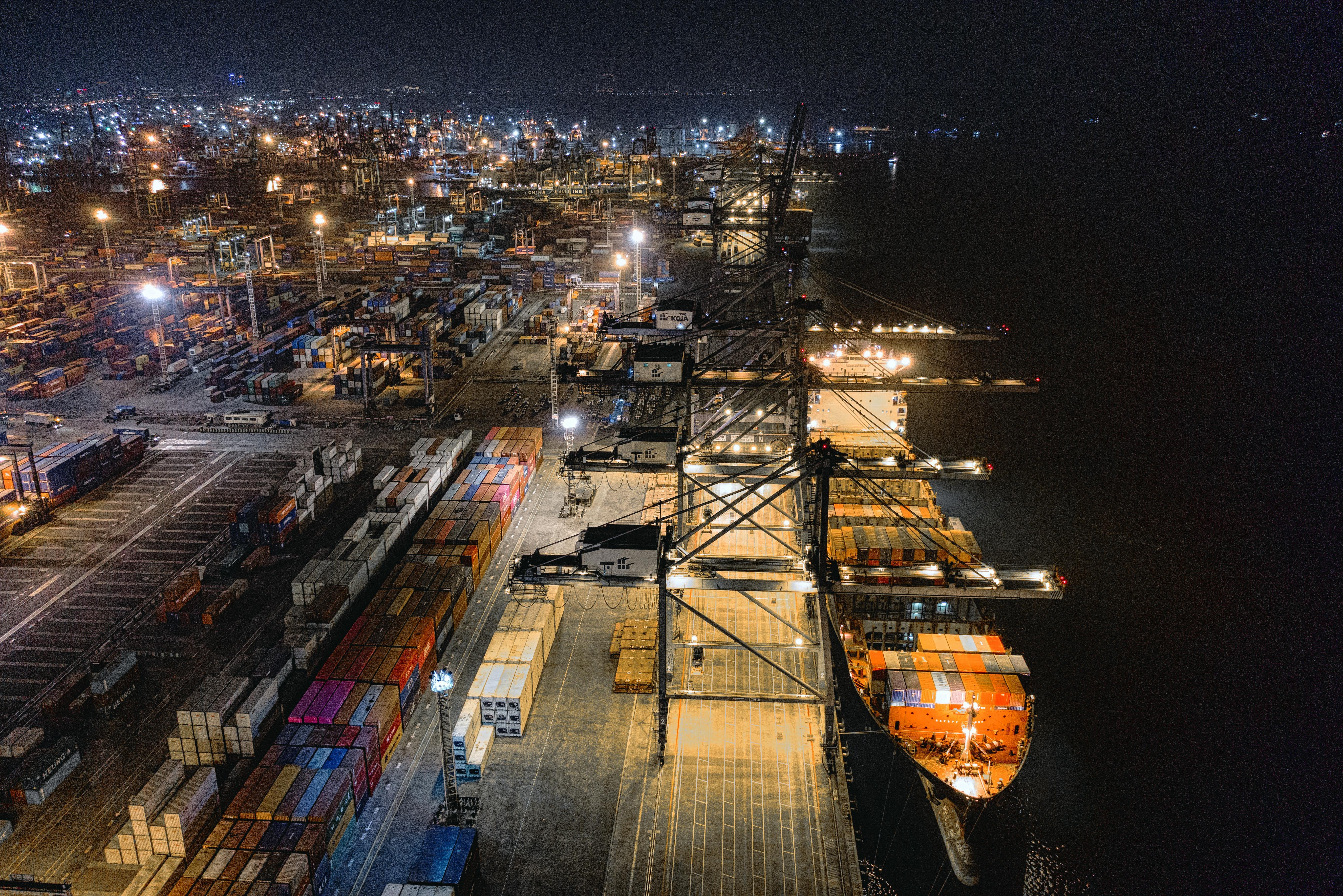

East Coast port terminal strikes looms
The United States is facing the possibility of a major strike on the East Coast, which hasn’t happened in 50 years. The issue of potential dockworker strikes in the eastern United States and the Gulf Coast has raised concerns. If the International Longshoremen’s Association (ILA) and the U.S. Maritime Union (USMX) can’t to reach an agreement by September 30, around 45,000 workers across ports from Maine to Texas could go on strike at the ILA’s request.
This strike could disrupt operations at ports in the eastern United States and the Gulf Coast, and have a significant impact on the North American supply chain, leading to substantial economic losses. As the September 30 deadline approaches, concerns about the outcome of the negotiations are growing, and related industries and businesses are making preparations for a possible logistical crisis.
Major eastern U.S. ports
Port of New York and New Jersey
The busiest port on the U.S. East Coast, located on the eastern shore of the Hudson River estuary in the Northeast, is a national leader in the apparel, printing, and cosmetics industries.
Port of Savannah
U.S. East Coast Georgia commercial port, located in southeast Georgia and South Carolina intersection of the lower Savannah River. Port imports mainly crude oil, sugar, gypsum, fertilizer raw materials.
Port of Miami
Is the United States East Florida commercial port, located in the southeast end of the Florida Peninsula, the Atlantic Ocean Biscayne Lagoon Bay. Imports of various industrial products, raw materials, lumber, newsprint, etc..
Port of Houston
Located in southeastern Texas, an artificial port, through the 80-kilometer-long through the sea canal connected to Mexico. The port throughput is lower than the port of New Orleans and New York.
What are the possible response options if a strike occurs?
Cargo will transit through neighboring ports.
The Mexican port of Lazaro (LAZARO CARDENAS) is considering long-term opportunities to develop as an alternate gateway to Texas.
Transit from Canada’s west coast(Port of Halifax, Port of Halifax, Port of Montreal, etc.) if switching to the U.S. PNW.
This freight pathway would pass through Chicago, serving as a hub with transportation supported by the Midwest rail system in the U.S.
Cargo from the U.S. East Coast is transported inland through the U.S. West Coast.
The CEO of the Port of Long Beach says the port is poised for growth and continued shipments for the rest of the year with a dedicated waterfront workforce, modern infrastructure, and ample terminal capacity.
However, tighter train and overland truck capacity to the U.S. East Coast, rising costs, and further congestion at warehouses in the U.S. West can be expected.
According to Maersk, the company warned its customers in a recent bulletin that if there is a total work stoppage on the U.S. East Coast, it could take four to six weeks to recover even if the shutdown only lasts a week.
A strike could lead to significant backlogs and delays, and each additional day of delay in resolving the problem would make the situation worse.
Mile Global Logistics will continue to monitor the progress of the strike on the U.S. East Coast for you!